Shopify dropshipping reviews: honest UK verdict 2026
Discover why Shopify dropshipping reviews are essential for UK beginners. Learn how to succeed with this platform in 2026!
Shopify dropshipping reviews: honest UK verdict 2026
TL;DR:
- Shopify dropshipping in the UK can be profitable if sellers invest time in verifying suppliers and maintaining unique content. The main challenges include operational issues like quality control, hidden costs, and SEO risks from duplicate descriptions. Using UK-based suppliers and automation tools like Ecom-eye helps improve efficiency, compliance, and profitability.
Shopify dropshipping is worth it for UK beginners who treat it as a real business, not a passive income shortcut. The platform itself is legitimate: Shopify processed a very high GMV volume in a recent quarter in 2026 and holds a 4.4/5 merchant rating on G2. The honest caveat is that your supplier, your content, and your margins will determine whether you profit, not the platform.
Who should try it: anyone willing to spend several weeks to a few months validating a niche, sampling products, and building a brand rather than copy-pasting supplier listings.
Who should avoid it: anyone expecting profit in week one, or anyone unwilling to budget beyond the base subscription.
- Shopify’s app ecosystem and checkout credibility give beginners a genuine head start.
- The main limitation is cost creep: apps, themes, and transaction fees routinely push real monthly overhead well above the subscription price.
Table of Contents
- What does Shopify dropshipping actually mean for a UK seller?
- Honest pros and cons of Shopify dropshipping for UK beginners
- What does Shopify dropshipping actually cost, and can you profit?
- What causes most Shopify dropshipping failures, and how do you avoid them?
- Why duplicate content kills your Shopify store’s SEO and Google Merchant listings
- Which tools and apps should UK dropshippers actually install?
- Your 30–90 day UK launch checklist
- Who should actually start Shopify dropshipping in the UK right now?
- Key takeaways
- The part most Shopify dropshipping reviews get wrong
- Stop losing sales to duplicate content with Ecom-eye
- Useful sources and further reading
- FAQ
What does Shopify dropshipping actually mean for a UK seller?
Shopify is the storefront. Your supplier, whether AliExpress, Temu, Spocket, or a domestic wholesaler, holds the stock and ships directly to your customer. You own the customer relationship, the brand, and every legal obligation that comes with it.
In the UK, that means registering for VAT once your taxable turnover exceeds £90,000 (or voluntarily before that), complying with the Consumer Rights Act 2015 on returns, and understanding that post-Brexit import duties apply when goods enter from outside Great Britain. If your supplier ships from China, your customer may face a customs charge on delivery, which generates complaints and chargebacks if you have not disclosed it upfront.
One distinction matters enormously here: most negative Shopify reviews on Trustpilot target individual sellers, not the platform. Shopify the company is not your supplier. When a customer receives a poor-quality item three weeks late, that is a supplier problem, not a Shopify bug.
Honest pros and cons of Shopify dropshipping for UK beginners
Pros:
- Ease of use — Shopify’s drag-and-drop builder means you can launch a functional store without writing a line of code. The Sidekick AI assistant and native A/B testing via Shopify Rollouts reduce the learning curve further.
Cons:
Pro Tip: Use Spocket or Shopify Collective to source UK or EU-based suppliers. Domestic fulfilment cuts delivery times to two to five days and removes the customs-charge surprise for your customers.
What does Shopify dropshipping actually cost, and can you profit?
Shopify’s published plans run from a modest monthly fee for Basic to higher tiers, with no free tier. For most UK beginners, the Basic plan is the common starting point.
| Cost line | Typical range | Notes |
|---|---|---|
| Shopify subscription | — | Basic or Shopify plan for most beginners |
| App stack | $100–$300/month | Order tracking, reviews, returns, SEO tools |
| Premium theme | $150–$400 one-off | Optional; free themes exist |
| Transaction fees | transaction fees on every sale | Eliminated with Shopify Payments |
| Paid ads (Google/Meta) | a modest test budget per month is advisable | |
| VAT | 20% on UK sales | Applies once registered |
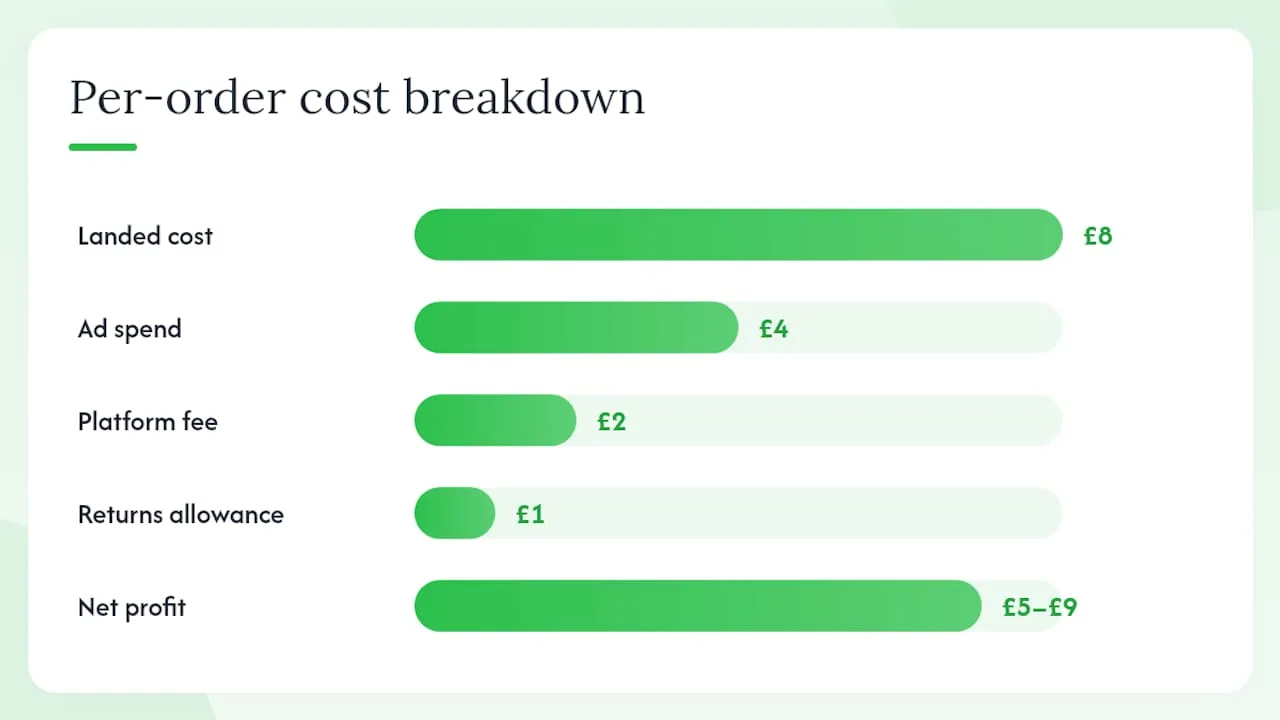
A realistic worked example: you source a product from AliExpress at £8 landed cost (product + shipping). Experienced dropshippers typically apply a multiple markup on landed cost, so your retail price is £20–£24. After a £4 ad spend per order, a £2 platform fee, and a £1 returns allowance, net profit per unit sits at roughly £5–£9. At around 30 orders a month, generating moderate profit before subscription costs. Profitable, but not life-changing until volume grows.
Most merchants take multiple weeks to build, test ads, and reach consistent conversion. A realistic timeline to first meaningful profit is several weeks to a few months, assuming you start with a validated niche and a test ad budget.
Budget reality check: your effective monthly overhead in year one is rarely the subscription price alone. Factor in apps, ads, and at least one theme before deciding whether the margin on your chosen product is viable.
What causes most Shopify dropshipping failures, and how do you avoid them?
The most common failure modes are not platform bugs. They are operational:
- Choosing suppliers based on price alone, then receiving quality complaints.
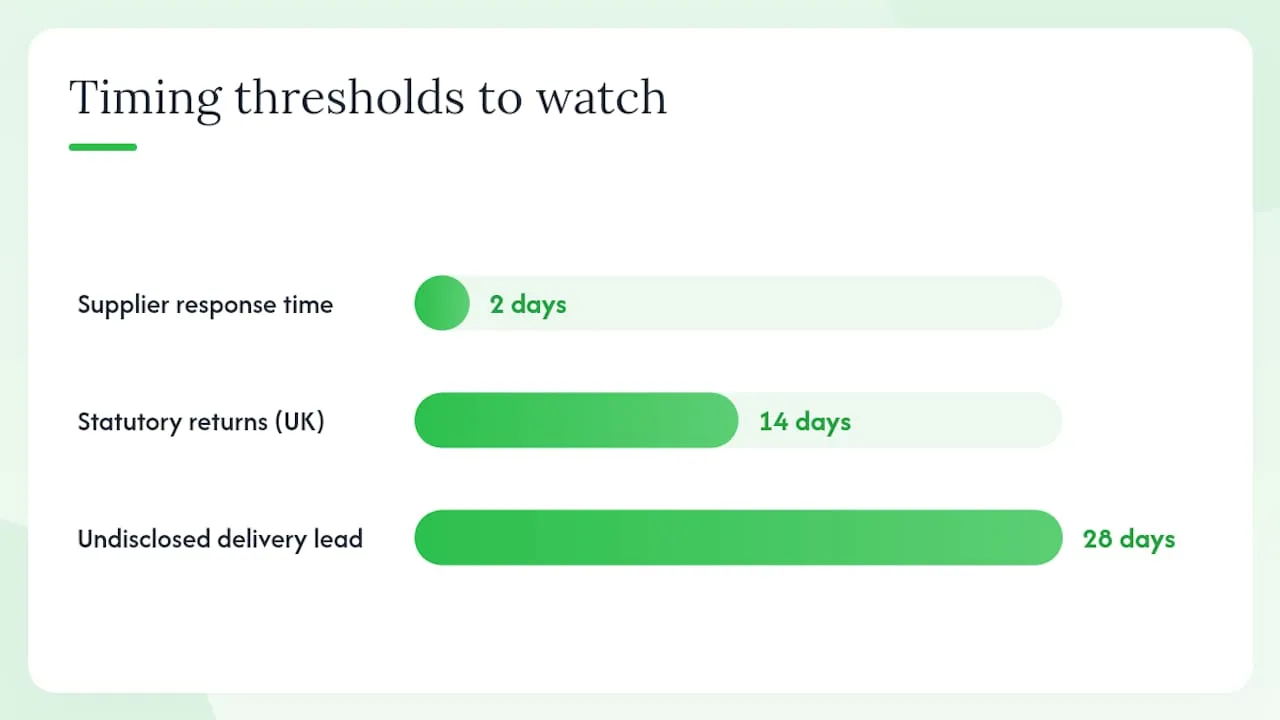
- Listing products with no lead-time disclosure, then facing chargebacks when delivery takes four weeks.
- Ignoring returns: UK consumers have a statutory 14-day right to return under the Consumer Contracts Regulations 2013.
- Installing unvetted apps that charge recurring fees or, in rare cases, access store data without clear consent.
A short supplier due-diligence checklist covers the basics: order a sample before listing, check stated lead times against actual dispatch dates, verify the supplier has a traceable business identity, and test their response time to a support query. If they take 48 hours to reply to a pre-sale question, they will take longer when something goes wrong.
Red flags to watch: no verifiable business address, reviews that are all five-star with identical phrasing, minimum order quantities that do not match dropshipping economics, and pricing so low it cannot cover compliant manufacturing.
Pro Tip: Send a test order to your own address before going live. You will see the actual packaging, delivery time, and product quality your customers will experience, and you can fix problems before they generate negative reviews.
For a fuller breakdown of common dropshipping mistakes that cost UK sellers sales, the Ecom-eye blog covers the most frequent operational errors in detail.
Why duplicate content kills your Shopify store’s SEO and Google Merchant listings
Copy a supplier’s product description directly into your store and Google sees it on dozens of other sites. The result: your page ranks nowhere, and your Google Merchant feed gets flagged for policy violations. Google Merchant disapprovals for “misrepresentation” or “unclear shipping” are frequently triggered by thin, copied content that gives buyers no reliable information.
The fix is straightforward in principle but time-consuming at scale: write unique titles that include a specific search term, replace supplier descriptions with benefit-led copy, add structured data (schema markup) for product type and availability, and use original images rather than the supplier’s stock photos.
Stores using optimised, unique product page layouts through Ecom-eye report 40% better SEO performance compared with pages built from copied supplier content. That gap compounds: better rankings mean lower paid-acquisition costs over time.
For bulk operations, Ecom-eye imports product data from AliExpress, Temu, Amazon, or competitor Shopify links, then generates unique titles, clean descriptions, and AI product images in one pass, exporting directly to Shopify. No rewriting, no copyright risk. For a store with 50–500 products, that is the difference between a week of manual work and an afternoon.
Which tools and apps should UK dropshippers actually install?
Start lean. Every app adds monthly cost and potential conflicts.
DSers connects your Shopify store to AliExpress and automates order fulfilment. The basic tier is free and handles the core workflow for most beginners.
Spocket focuses on UK and EU suppliers, which solves the Brexit shipping problem for many product categories. Paid plans start at around $39.99/month.
Google Merchant integration is non-negotiable if you want Google Shopping traffic. Set it up early, but expect disapprovals until your product pages are unique and your shipping policy is explicit.
Ecom-eye handles bulk product page generation with SEO-safe content and AI images, removing the duplicate-content risk that causes most Google Merchant rejections. It connects directly to AliExpress and exports to Shopify in one click.
For analytics, Shopify’s native dashboard covers the basics. Add Google Analytics 4 once you are running paid traffic.
Where to start: DSers (free), Google Merchant (free), and Ecom-eye for product content. Add Spocket if you want UK-based suppliers. Hold off on review apps, upsell tools, and loyalty programmes until you have proven the niche.
Your 30–90 day UK launch checklist
- Days 15–21: — Build your Shopify store. Write unique product descriptions (or use Ecom-eye for bulk generation). Set up Google Merchant and submit your feed.
- Days 61–90: Review margins. If a product is profitable at current ad spend, test scaling. If not, replace it. Revisit your Shopify dropshipping model to see whether a niche pivot makes sense.
Success metric at day 90: at least one product generating consistent profit after all costs, and a Google Merchant feed with no active disapprovals.
Who should actually start Shopify dropshipping in the UK right now?
Shopify dropshipping is a viable business model in 2026 for UK entrepreneurs who approach it with realistic expectations and a willingness to invest time in supplier vetting, content quality, and paid testing. It is not a side hustle that runs itself.
Start now if you: have £500–£1,000 to test with, can commit 10–15 hours a week for the first 90 days, and are prepared to treat supplier quality as a non-negotiable.
Wait or avoid if you: need income within 30 days, have no budget for ads, or plan to copy supplier content directly into your store.
Immediate next step: sign up for Shopify’s trial, pick one niche, order two or three product samples, and use Ecom-eye to generate your first batch of unique product pages before you go live.
This article provides general information, not legal or tax advice. Confirm current VAT thresholds, import duty rules, and consumer rights obligations with HMRC or a qualified adviser before trading.
Key takeaways
Shopify dropshipping is profitable for UK sellers who control supplier quality, keep content unique, and budget honestly for apps and ads beyond the base subscription.
| Point | Details |
|---|---|
| Platform legitimacy | Shopify processed over $100 billion GMV in a single quarter; low buyer reviews target individual sellers, not the platform. |
| Real monthly cost | App stacks often add significant monthly costs on top of the subscription; budget for this before choosing a product margin. |
| Pricing rule | Apply a 2.5x–3x markup on landed cost to cover ads, fees, and returns and still profit. |
| Biggest SEO risk | Copied supplier descriptions trigger Google Merchant disapprovals; unique content is the fix. |
| Ecom-eye’s role | Ecom-eye generates bulk, copyright-safe product pages with AI images and exports directly to Shopify, removing the duplicate-content problem at scale. |
The part most Shopify dropshipping reviews get wrong
Most reviews of Shopify dropshipping focus on the platform’s features or its pricing tiers. That misses the actual variable. Shopify is fine. The platform does what it says. The real question is whether your product pages give Google a reason to rank you, and whether your supplier gives your customers a reason to trust you.
The stores that fail are not failing because Shopify charged them too much or because the checkout was broken. They are failing because they published 200 product pages copied from AliExpress, got their Google Merchant account suspended, and then blamed the platform. The stores that succeed are the ones that treated content as infrastructure from day one: unique descriptions, original images, clear shipping policies, and a returns process that does not require a customer to send a complaint to three different email addresses.
The SEO gap between a store with copied supplier content and one with unique, structured product pages is not marginal. It compounds. Every month you rank higher, your cost per acquisition from paid ads drops, because organic traffic starts carrying some of the load. That is the actual path to a profitable dropshipping business, and it is available to any beginner willing to do the content work properly at the start.
Stop losing sales to duplicate content with Ecom-eye
Copied supplier descriptions are the single most common reason UK dropshipping stores get suspended from Google Merchant and stall on organic search. Ecom-eye solves that problem at scale: import products in bulk from AliExpress, Temu, Amazon, or competitor Shopify links, and the platform automatically generates unique titles, clean SEO-ready descriptions, and high-quality AI product images, then exports everything directly to your Shopify store in one click.
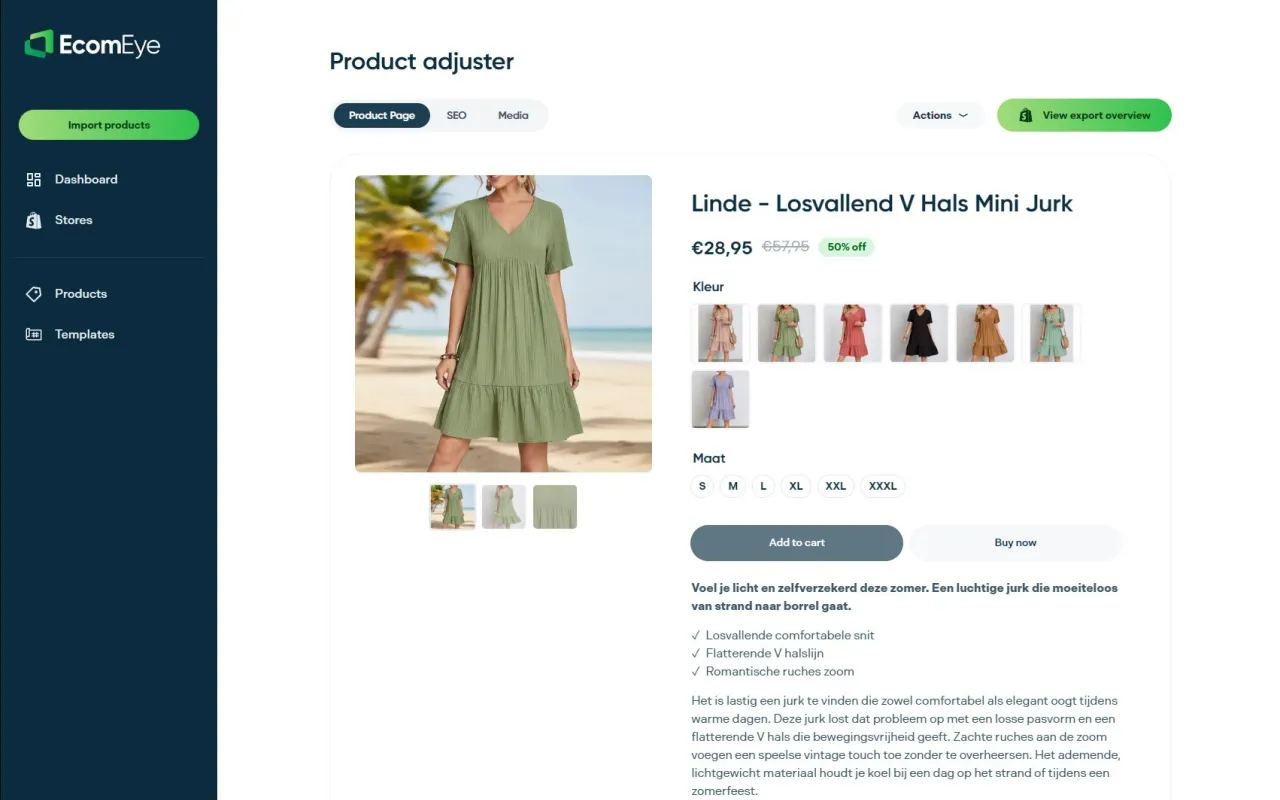
No rewriting. No copyright risk. No manual work per product. For a beginner building a 50-product store, that is hours saved on day one. For a seller scaling to 500 SKUs, it is the difference between a compliant Google Merchant feed and a suspended account.
Start your free trial at Ecom-eye and publish your first batch of SEO-safe product pages today.
Useful sources and further reading
- How to Start Dropshipping on Shopify — practical pricing strategy including the 2.5x–3x markup rule.
- 15 Dropshipping Tips for a Successful Business — Shopify’s own guidance on supplier vetting, inventory, and marketing basics.
- Supplier Vetting Checklist for Marketplace Sellers — step-by-step verification process that applies directly to dropshipping due diligence.
- Ecom-eye: Ecommerce SEO Best Practices for Shopify Stores — practical SEO fixes for product pages, including structured data and content uniqueness.
- Ecom-eye: Why Dropshipping Fails and How to Avoid It — operational failure modes and remediation steps for UK sellers.
FAQ
Is Shopify dropshipping worth it in the UK?
Yes, for sellers who budget realistically and invest in supplier quality and unique content. Expect 45–90 days to first meaningful profit, not days.
What is the biggest downside of using Shopify for dropshipping?
Cost creep. The base subscription is modest, but once you include a working app stack, premium theme, and transaction fees, real monthly overhead often totals $100–$300 before ad spend.
Is Shopify still worth it in 2026?
Yes. The platform processed over $100 billion in GMV in a single quarter in 2026 and continues to add features like Sidekick AI and native A/B testing that benefit dropshippers directly.
How do I avoid Google Merchant disapprovals on my Shopify store?
Write unique product titles and descriptions rather than copying supplier content, add accurate shipping timelines, and use original product images. Tools like Ecom-eye automate this for bulk catalogues.
Does Brexit affect UK dropshipping from AliExpress or Chinese suppliers?
Yes. Goods entering Great Britain from outside the UK may attract import duties and VAT at the border, which can result in unexpected charges for customers. Using UK or EU-based suppliers via Spocket removes this friction.
Ready to boost your product pages?
Generate high-converting, SEO-optimized product pages in bulk using AI automation used by e-commerce experts.
No credit card required