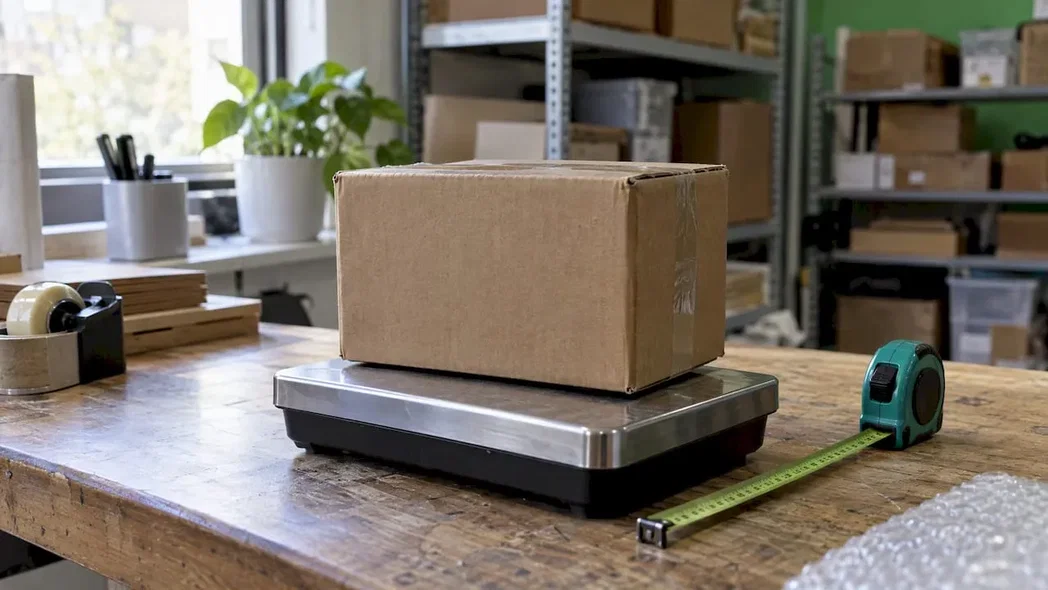
Why AI images transform e-commerce conversion and SEO
Discover how AI-generated product images cut costs by 85-90% whilst boosting Shopify conversion rates up to 45%. Learn implementation strategies, SEO benefits, and pitfalls to avoid.
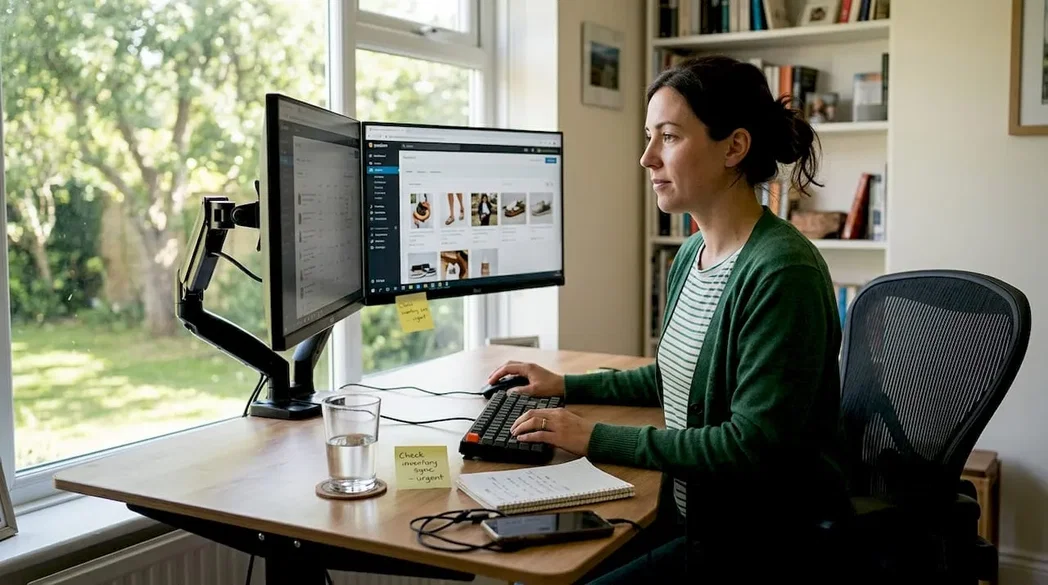
Most Shopify merchants believe professional product photography must cost hundreds per image and take weeks to deliver. Yet AI-generated images slash costs by 85-90%, from £25-500 per image to just £0.10-6, whilst boosting conversions dramatically. This guide reveals how AI image generation transforms your product listings, drives revenue growth, and strengthens SEO rankings without the traditional photography bottlenecks that slow down scaling.
Table of Contents
- Why quality images are essential for e-commerce success
- How AI image generation disrupts traditional product photography
- Conversion gains and revenue growth with AI images
- SEO advantages: Why AI images boost your Google rankings
- Risks, challenges, and hybrid strategies: Pitfalls to avoid
- How to get started with AI images for Shopify
- Automate and scale with EcomEye’s AI image platform
- Frequently asked questions
Key Takeaways
| Point | Details |
|---|---|
| Dramatic cost reduction | AI-generated images cut typical product image costs by up to 90%. |
| Higher sales and conversion | Switching to AI images can drive conversion increases from 30% to over 45% in real e-commerce case studies. |
| SEO improvements | Unique, well-tagged AI images help your Shopify store rank higher in search results and attract more buyers. |
| Hybrid approach works best | AI images suit most catalogue items but combine with real shots for complex, regulated, or hero products. |
| Simple to start | Clear steps make AI image generation an accessible upgrade for nearly any Shopify entrepreneur. |
Why quality images are essential for e-commerce success
Customers make buying decisions visually before reading a single word of your product description. When shoppers can’t physically touch or examine items, images become the primary trust signal that determines whether they click “add to cart” or bounce to a competitor. The data proves this decisively.
Professional product images deliver conversion increases of 45% or more, with some stores seeing 2-3x improvements in purchase rates. High-quality visuals communicate value, build credibility, and reduce purchase anxiety by showing exactly what customers receive. Poor images, conversely, trigger immediate distrust and send potential buyers elsewhere.
Quality product photography isn’t optional for competitive e-commerce. It’s the foundation of customer confidence and the primary driver of conversion rates across all product categories.
Beyond conversion impact, compelling product images strengthen your SEO performance. Google’s algorithms favour unique, high-quality visuals in image search results and product listings. When combined with proper alt text and schema markup, professional images help your Shopify store features rank higher and attract more qualified traffic.
Key image quality factors that influence buying decisions:
- Multiple angles and contexts showing products in use, not just isolated on white backgrounds
- Consistent lighting and colour accuracy that matches what customers receive
- High resolution for zoom functionality enabling detailed inspection
- Lifestyle shots demonstrating scale and real-world application
How AI image generation disrupts traditional product photography
Traditional product photography requires booking studios, hiring photographers, coordinating shipments, and waiting days or weeks for edited results. Each image costs £75-200 on average, creating massive barriers for merchants with large catalogues or frequent product launches. AI generation eliminates these constraints entirely.
AI tools produce product images in minutes rather than weeks, with costs reduced by 85-90% to just £0.10-6 per image. You upload a reference photo, specify backgrounds and contexts, and receive multiple variations instantly. This speed advantage lets you test different presentations, launch products faster, and iterate based on performance data without budget concerns.
| Factor | Traditional Photography | AI Generation |
|---|---|---|
| Cost per image | £75-200 | £0.10-6 |
| Turnaround time | 1-3 weeks | Minutes |
| Variations | Expensive reshoot | Instant |
| Consistency | Varies by session | Perfectly uniform |
| Scalability | Limited by budget | Unlimited |
AI’s flexibility for creating product variants and background changes proves particularly valuable for dropshipping and large catalogues. Generate seasonal backgrounds, lifestyle contexts, or colour variations without additional photography sessions. This capability supports AI tools for dropshipping strategies that require rapid catalogue expansion.
Pro Tip: Use AI generation for 80% of your catalogue to maximise speed and cost savings, but invest in traditional photography for hero products and signature items where absolute perfection matters most. This hybrid approach balances efficiency with premium presentation for key revenue drivers.
The data shows merchants launching products 10x faster whilst maintaining visual quality standards. When you’re boosting SEO with AI product pages, the ability to generate unique images at scale becomes a competitive advantage that traditional photography simply cannot match.

Conversion gains and revenue growth with AI images
Real-world performance data reveals the tangible impact AI images deliver for e-commerce revenue. One Shopify merchant documented a 45% conversion rate increase after replacing basic product photos with AI-generated lifestyle images, translating to £8,400 additional monthly revenue from the same traffic levels.
Case studies across different store sizes show consistent patterns. Boutique shops see 30-47% conversion improvements, whilst larger catalogues report conversion lifts up to 80% when implementing AI images systematically. The revenue impact scales with catalogue size because you’re improving every product page simultaneously.
| Store Type | Before Conversion | After Conversion | Revenue Increase |
|---|---|---|---|
| Small boutique | 2.1% | 3.1% | 31% lift |
| Mid-size catalogue | 1.8% | 2.6% | 45% lift |
| Large dropshipping | 1.5% | 2.7% | 80% lift |
To replicate these results for your own shop, follow this testing framework:
- Select 10-20 products representing different categories and price points for initial testing
- Generate AI images with varied backgrounds and contexts for each product
- Run A/B tests comparing original images against AI versions for 2-4 weeks
- Track conversion rates and revenue per visitor for statistical significance
- Scale winning variations across your entire catalogue systematically
- Monitor return rates to ensure AI images accurately represent products
The combination of lower costs and higher conversions creates compound benefits. You’re spending less on images whilst generating more revenue per product page. For merchants streamlining dropshipping with automation, this efficiency gain accelerates scaling without proportional cost increases.
SEO advantages: Why AI images boost your Google rankings
AI-generated images solve one of dropshipping’s biggest SEO problems: duplicate visual content. When you source products from AliExpress or competitors, using their original photos creates duplicate content issues that suppress your rankings. Google recognises identical images across multiple sites and deprioritises late adopters.

Unique AI images eliminate this penalty entirely. Every product page features original visuals that Google indexes as fresh content, improving your chances of ranking for product searches and image queries. Professional images drive more impressions and clicks through organic search, compounding your SEO gains over time.
Key SEO optimisation strategies for AI-generated images:
- Descriptive file names using target keywords before upload (product-name-blue-variant.jpg)
- Comprehensive alt text describing the image for accessibility and search context
- Schema markup implementing Product schema with image properties
- Image sitemaps ensuring Google discovers and indexes all product images
- WebP format for faster loading speeds without quality loss
Pro Tip: Structure your image alt text with this formula: [Product Name] + [Key Feature] + [Context/Use Case]. Example: “Wireless earbuds with charging case on wooden desk” rather than generic “earbuds image”. This specificity helps Google understand relevance for long-tail searches.
When combined with Shopify page automation for SEO, AI images create a systematic advantage. You’re generating unique visual and textual content simultaneously, building authority signals that traditional dropshippers copying competitor pages cannot match.
Risks, challenges, and hybrid strategies: Pitfalls to avoid
AI image generation isn’t suitable for every product category or situation. Understanding these limitations prevents costly mistakes and customer dissatisfaction.
Regulated products like foods, supplements, and medical devices require absolute accuracy that AI sometimes struggles to deliver. Complex textures such as fabrics, leather grain, or intricate jewellery details may appear distorted or unrealistic. Edge cases require reference photos for accuracy, and AI performs poorly with highly regulated items or complex textures.
Products where AI images create risks:
- Food and beverages where colour and presentation accuracy affect safety perceptions
- Textiles and fabrics requiring precise texture and weave representation
- Jewellery and watches with intricate details and reflective surfaces
- Cosmetics where shade accuracy is critical for customer satisfaction
- Technical equipment with specific port configurations and button layouts
The primary risk is misrepresentation leading to returns and negative reviews. If your AI image shows a product feature that doesn’t exist or misrepresents size, texture, or colour, customers will request refunds and damage your reputation. This problem intensifies for products where tactile qualities matter.
Implement a hybrid strategy: use AI for 80% of your catalogue where speed and cost matter most, but invest in traditional photography for signature products, regulated items, and anything where absolute accuracy is non-negotiable.
For Shopify automation for product pages, always review AI outputs before publishing. Check for anatomical distortions in lifestyle shots, verify product features match reality, and ensure backgrounds don’t create misleading contexts. Quality control prevents the returns and reputation damage that erase your cost savings.
Consider AI alternatives for image generation if your product category consistently produces poor results. Some niches benefit more from hybrid approaches or enhanced photography rather than pure AI generation.
How to get started with AI images for Shopify
Implementing AI image generation for your Shopify shop requires systematic planning rather than random experimentation. Follow this framework to maximise results whilst minimising risks.
- Audit your current catalogue to identify which products need new images most urgently, prioritising high-traffic, low-conversion items first
- Choose appropriate AI tools based on your product types, with Shopify merchants seeing notable improvements using specialised e-commerce platforms
- Create reference guidelines documenting your brand’s visual style, preferred backgrounds, and lighting requirements for consistency
- Generate test batches of 10-20 images across different product categories to evaluate quality and identify problem areas
- Implement A/B testing comparing AI images against existing photos to measure conversion impact before full rollout
- Scale systematically across your catalogue once testing validates performance improvements
- Monitor customer feedback and return rates to catch misrepresentation issues early
- Optimise for SEO by adding descriptive file names, alt text, and schema markup to every AI-generated image
For small catalogues under 100 products, manual review of every AI image remains practical and recommended. Larger operations benefit from batch processing with spot-check quality control on representative samples.
Explore top AI tools for Shopify to compare features, pricing, and integration options. Prioritise platforms offering Shopify-native integration to streamline Shopify scaling without manual file transfers.
Your implementation timeline depends on catalogue size. Expect 1-2 weeks for initial testing, then 2-4 weeks for full catalogue rollout with proper quality control. The investment pays back quickly through reduced photography costs and improved conversion rates.
Automate and scale with EcomEye’s AI image platform
Putting these strategies into practice at scale requires integrated automation that handles image generation alongside product content creation. EcomEye eliminates the manual work of generating, optimising, and uploading AI images for your entire Shopify catalogue.

Import products in bulk from AliExpress or competitor links, and EcomEye automatically generates unique AI product images alongside optimised titles, descriptions, and SEO content. Every image includes proper file naming, alt text, and schema markup without manual configuration. Export everything directly to Shopify in one click, with multi-language support for international expansion. This systematic approach delivers the 85-90% cost savings and conversion improvements documented throughout this guide, whilst avoiding the duplicate content penalties that sink most dropshipping stores. Explore EcomEye’s AI automation to implement these strategies without the technical complexity or time investment of manual processes.
Frequently asked questions
How much money can e-commerce shops save with AI product images?
E-commerce shops cut image costs by 85-90% using AI generation, with images costing £0.10-6 each versus £25-500 for traditional photography. This savings scales dramatically for large catalogues.
Do AI images actually increase sales and conversion rates?
Yes, case studies document conversion increases of 30-47%, with some stores seeing lifts up to 80% after implementing high-quality AI product images systematically.
Are there any risks to using AI-generated images for my products?
AI can misrepresent complex textures or regulated items, so use it for most catalogue items but combine with real photography for products where absolute accuracy prevents returns.
How do AI images improve SEO for Shopify stores?
Unique AI images avoid duplicate content penalties and, with proper alt text and schema markup, help product pages rank higher in Google results by providing fresh visual content.
What product categories work best with AI image generation?
AI excels for electronics, home goods, accessories, and general merchandise where visual accuracy matters less than presentation quality. Avoid using AI alone for foods, fabrics, jewellery, or regulated products requiring precise representation.
Ready to boost your product pages?
Generate high-converting, SEO-optimized product pages in bulk using AI automation used by e-commerce experts.
No credit card required